The Rise of Connected Travel Gear
The concept of "smart luggage" transformed the industry by attempting to solve common traveler pain points through integrated technology. Early iterations were wildly popular, promising to end dead phone batteries, lost bags, and overweight fees. However, rapid innovation soon collided with aviation safety regulations.
Core Features of Smart Luggage
Today's smart luggage generally incorporates one or more of the following technologies:
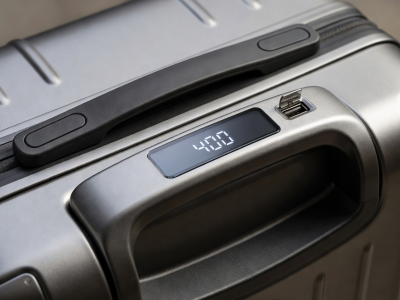
- Integrated Power Banks: The most common feature. A lithium-ion battery housed within the suitcase routes power to an external USB port, allowing you to charge your devices seamlessly while waiting at the gate.
- Digital Scales: Built directly into the handle, these sensors measure the bag's weight when you lift it off the ground, displaying the result on an LCD screen. This helps eliminate airport check-in surprises.
- Location Tracking: Utilizing GPS, cellular networks, or Bluetooth crowdsourcing (similar to Apple AirTags), these tracking modules allow you to pinpoint your bag's location via a smartphone app.
- Electronic Locks: Replacing standard combination locks, these can be opened via Bluetooth proximity, a fingerprint scanner, or a companion app.
The Lithium-Ion Battery Ban
The turning point for smart luggage occurred when the FAA and major international aviation bodies implemented strict regulations regarding lithium-ion batteries in the cargo hold. Due to the risk of thermal runaway (battery fires) which cannot be extinguished in an inaccessible cargo area, non-removable lithium-ion batteries are strictly prohibited in checked luggage.
If you are forced to gate-check a smart carry-on due to overhead bin space constraints, you must be able to remove the battery and bring it into the cabin with you. Consequently, modern smart luggage is designed with easily accessible, ejectable battery packs. If you are considering purchasing a smart suitcase, verifying that the battery is removable is the most critical step; without this feature, the bag is essentially banned from commercial flight.
Is Smart Luggage Worth the Investment?
While the technology sounds appealing, many frequent travelers have begun moving away from fully integrated smart luggage toward a modular approach.
A high-quality traditional suitcase paired with a standalone high-capacity power bank and a dedicated tracking device (like an AirTag or Tile) often yields a better experience. Dedicated tracking tags utilize vast, established networks of millions of smartphones to ping their location, which is significantly more reliable than the proprietary 3G/4G cellular chips used in some smart bags. Furthermore, if your standalone power bank breaks, you can easily replace it without needing to repair your entire suitcase.
However, if you appreciate seamless, all-in-one design and travel exclusively with carry-on luggage where you will rarely need to remove the battery, a smart suitcase provides a highly convenient, tech-forward travel experience.