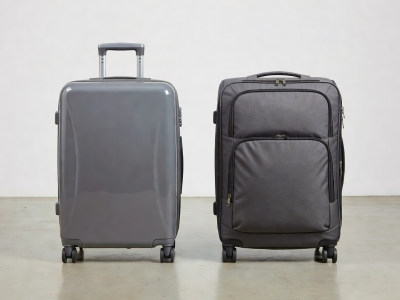
The Great Luggage Debate
Walk through any modern airport and you will notice a distinct trend: hardside luggage has surged in popularity over the last decade, challenging the long-held dominance of softside fabric suitcases. But is the glossy exterior of a hardshell truly superior, or does the flexibility of softside luggage still hold the crown? The answer depends entirely on your packing style, travel frequency, and destination.
Hardside Luggage: Pros and Cons
Modern hardside luggage is primarily constructed from three materials: ABS (Acrylonitrile Butadiene Styrene), Polycarbonate, or Aluminum. High-end brands also utilize proprietary woven composites (like Curv material) which offer extreme strength at incredibly low weights.
The Advantages:
- Superior Protection: A rigid outer shell provides superior protection against blunt impacts. If you regularly transport electronics, fragile souvenirs, or glass bottles (like wine), hardside luggage will disperse the impact force across the shell rather than transferring it to your belongings.
- Weather Resistance: Polycarbonate and aluminum are impermeable to water. If your bag is left on a rainy tarmac for thirty minutes during a connection, your clothes will remain completely dry.
- Cleaning and Maintenance: Hard shells can be easily wiped down with an antibacterial wipe, keeping them sanitary after being dragged across dirty terminal floors or city streets.
The Disadvantages:
- Lack of External Pockets: Most hardside cases are smooth monolithic blocks. If you need to quickly stash a jacket or retrieve a book before boarding, you must open the entire main compartment.
- Space Inefficiency: Hardside luggage is inflexible. If you are trying to squeeze it into a tight overhead bin or a packed car trunk, there is no "give." It will not compress to fit.
- Scuffs and Scratches: Glossy hardside finishes show cosmetic damage very quickly. While polycarbonate won't easily crack, it will display visible scuffs from baggage belts. (Choosing a textured, matte finish helps mitigate this).
Softside Luggage: Pros and Cons
Softside luggage is typically made from nylon (like Cordura or Ballistic nylon) or polyester. Denier count determines the thickness of the individual threads—a higher denier usually means a more robust fabric.
The Advantages:
- Flexibility and Expandability: Softside fabric can stretch. This allows you to stuff "just one more item" into the bag. It can also be compressed slightly when shoving it into an overhead compartment.
- Organizational Pockets: Softside bags almost always feature multiple exterior compartments, ideal for organizing travel documents, chargers, and reading materials without opening the main cavity.
- Durability Against Abrasions: High-denier ballistic nylon resists scratches and scuffs far better than a polycarbonate shell. It maintains a clean, professional appearance even after significant abuse.
The Disadvantages:
- Vulnerability to Moisture: While many nylons are treated with a water-resistant coating, they are not waterproof. Heavy rain or spills in the cargo hold can seep through the fabric and zippers, soaking the interior.
- Odor Retention: Fabric absorbs smells over time. Whether it is mildew, smoke, or a spilled toiletry, odors can linger in a softside suitcase long after the trip is over.
- Less Impact Protection: Because the structure relies on fabric and an internal wire frame, a heavy blow will transfer directly to the contents of the bag.
The Clamshell vs. Top-Lid Packing Experience
Beyond the material itself, the opening mechanism is vastly different. Hardside bags generally use a 50/50 "clamshell" split. When opened, you pack two equal halves. This requires a large amount of floor or bed space to lay the suitcase completely flat.
Conversely, softside bags typically feature a "top-lid" design. The main cavity holds 90% of your belongings, and the lid holds the remaining 10%. This allows you to place the bag on a standard hotel luggage rack and access the deep main compartment with ease.
Conclusion
If you value organization, external pockets, and the ability to squeeze your bag into tight spaces, a high-quality softside suitcase remains the most practical choice. If, however, you prioritize protecting fragile items, weather resistance, and sleek aesthetics, investing in a durable polycarbonate hardside suitcase is the optimal route.